
Mortgage Basics: Fixed vs. Adjustable Rate
Signing a mortgage is one of the biggest financial commitments of your life. Make sure you understand the difference between FRM and ARM loans involving thousands of dollars.
Feb 15, 2026
Select bag type and usage to calculate environmental impact
How many times will you use this bag?
Carbon Footprint per Use
3.0 g COÔéé
Total production: 3.0 g COÔéé
You stand in the grocery checkout line, clutching a flimsy plastic bag, wondering if your canvas tote left in the car would have been a better choice. The Bag Footprint Calculator bridges the gap between intuition and reality, allowing you to quantify the environmental impact of your shopping habits. It replaces vague assumptions about sustainability with hard data, showing you exactly how many times you must reuse a bag to break even.
The underlying concept relies on Life Cycle Assessment (LCA) methodology, a standardized scientific framework for measuring environmental impacts from cradle to grave. This approach accounts for raw material extraction, manufacturing energy, transportation, and eventual disposal or recycling processes. Developed by environmental scientists to move beyond superficial green marketing, the LCA model identifies the break-even point—the specific number of uses required for a durable bag to neutralize the higher emissions produced during its resource-heavy creation. By applying this rigorous standard, the calculator reveals the hidden environmental debt inherent in high-production goods like organic cotton versus the low-impact but high-pollution nature of thin plastic.
Sustainability officers in retail chains use this tool to optimize packaging procurement, while individual consumers leverage it to audit their personal habits. Environmental consultants rely on these metrics to justify policy shifts in municipal waste management, and students use it to visualize the complexity of supply chains. Regardless of your role, the calculator provides the objective foundation required to evaluate the long-term ecological consequences of choosing one material over another in a daily context.
This concept captures the upfront debt of a bag. Materials like organic cotton require massive amounts of water and land during the cultivation phase, resulting in a high initial footprint. Understanding this is crucial because it sets the baseline usage threshold; if you only use a heavy-duty bag twice, you have actually increased your total environmental impact compared to choosing a thinner, lighter alternative.
This metric defines the exact moment a reusable bag becomes more environmentally efficient than a single-use alternative. It is calculated by dividing the total lifetime impact of the durable bag by the impact of a single-use bag. Once you surpass this number of uses, every subsequent trip represents a net gain for the environment, effectively amortizing the high cost of the bag's production.
Not all bags end up in the same place, and this concept accounts for the varying impacts of landfilling, recycling, or composting. A paper bag might be biodegradable, but its production involves significant chemical use and high transportation costs due to its weight. The calculator incorporates these end-of-life variables to ensure the final environmental footprint accurately reflects the reality of local waste management systems.
This is the process of spreading the environmental cost of a durable good over its entire useful life. By treating each trip as a fraction of the bag's total footprint, the calculator allows you to see the marginal cost of every shopping trip. It highlights why high-quality, long-lasting materials offer diminishing returns on impact as they are reused more frequently over many years.
The weight and volume of bags during shipping significantly influence their carbon footprint before they even reach your hands. Heavier materials require more fuel to transport, which can sometimes negate the benefits of a reusable design if the supply chain is inefficient. This concept ensures that the calculator accounts for the hidden miles each bag travels, reflecting the global nature of modern packaging supply chains.
Input the material type and the number of times you plan to use the bag. These values allow the calculator to model the precise environmental impact based on industry-standard lifecycle data.
Select your bag material from the dropdown menu, for example, choosing Organic Cotton or High-Density Polyethylene. Enter the number of times you intend to use this specific item over its entire lifespan to establish the baseline for your individual footprint calculation.
Adjust the usage frequency settings to reflect your actual habits, such as once per week or daily grocery trips. Pick the geographic region if available, as regional power grids and waste infrastructure significantly alter the emission factors associated with manufacturing and disposal processes.
The calculator processes these inputs against standardized LCA databases to generate a total impact score. Results appear as a comparative metric, typically shown in kilograms of CO2-equivalent emissions or total water liters consumed per use.
Interpret the output by comparing the per-use impact against your current habits. If the total is higher than expected, consider increasing the lifespan of your current bags rather than purchasing new eco-friendly alternatives.
Many users fall into the green trap of purchasing dozens of branded cotton totes, thinking they are helping the planet. The hidden impact of cotton: If you only use a cotton bag a few times, its water-intensive production leaves a much larger footprint than a simple plastic bag. The expert secret is to focus on the use-count rather than the material itself; keep the bags you already have, regardless of the material, until they are truly worn out.
The formula for the Bag Footprint Calculator relies on the principle of amortized impact, where the total environmental load is distributed across the number of times the item is utilized. We define the total footprint as the sum of raw material acquisition, manufacturing energy, and logistics, divided by the total number of uses. The calculation assumes a linear relationship where the environmental cost per use decreases as the bag is reused more often. However, this model is most accurate when the bag remains in good condition. If the bag breaks or is discarded prematurely, the per-use cost spikes significantly, making the initial investment in high-durability materials less efficient. The equation does not account for the potential for circular economy recycling, which may further reduce the impact of certain materials if the infrastructure exists in your specific local area.
F = (P + T + D) / N
F = total environmental footprint per use in CO2-equivalent; P = production impact including raw materials and energy; T = transportation and logistics impact; D = disposal or end-of-life impact; N = total number of times the bag is reused during its functional lifespan.
Sarah wants to replace her plastic grocery habits. She is choosing between buying a new heavy-duty organic cotton tote or continuing to reuse thin plastic bags. She expects to use the cotton bag 500 times but currently uses plastic bags only once. She needs to know if the switch to cotton will actually reduce her footprint.
Sarah begins by entering the production and disposal data for her organic cotton tote into the calculator. She knows that organic cotton has a high P value due to intensive water and land use. She sets N to 500 uses. The calculator computes the total lifecycle impact, summing the energy used in the weaving process and the carbon cost of shipping the cotton across oceans. By spreading this total over 500 cycles, the F value drops significantly. Next, she performs the same calculation for her thin plastic bag, which has a very low P value but is discarded after one use. Because the plastic bag has a low initial cost, Sarah realizes that unless she uses the cotton bag at least 150 times, the plastic bag is actually the greener choice for her specific lifestyle. She decides to commit to using her single cotton tote for at least two years to ensure she hits the break-even point and creates a net positive impact on the environment. Seeing the math proves that the eco-friendly label on a product is only as sustainable as her own behavior in using it.
Step 1 — F = (P + T + D) / N
Step 2 — F = (12.0kg CO2 + 0.5kg CO2 + 0.1kg CO2) / 500
Step 3 — F = 0.0252 kg CO2 per use
Sarah realizes that purchasing the cotton bag is only a victory if it stays in her trunk. By committing to 500 uses, she lowers her impact per trip to just 0.025kg of CO2, far lower than the impact of single-use plastic. She labels her bag to remind herself to keep it in circulation.
The Bag Footprint Calculator is not just for curious shoppers; it serves as a critical decision-support tool across various sectors where packaging and waste management intersect with environmental strategy.
Retail Procurement Managers use this tool to evaluate the lifecycle costs of alternative packaging materials before committing to large-scale supply chain changes. By modeling the footprint of paper versus recycled plastic, they can select options that minimize the corporate carbon tax burden while meeting sustainability targets for their shareholders.
Urban Policy Planners analyze the footprint of different bag types to design effective municipal waste reduction programs. By calculating the average impact of bags used within a city, they can justify the implementation of specific levies or bans that actually result in a net decrease in total community carbon emissions.
Eco-Conscious Households use the calculator to audit their home inventory of reusable bags. By determining which materials have the shortest break-even periods, families can focus their efforts on maintaining the most efficient items, effectively turning their grocery shopping routine into a data-backed exercise in long-term waste reduction.
Environmental Educators demonstrate the paradox of reusability in classrooms to teach students about complex supply chains. By showing how a durable item can be more damaging than a disposable one if not used frequently enough, they help students think critically about the environmental costs inherent in all consumer goods.
Digital Sustainable Apps integrate these formulas to provide real-time feedback to shoppers at the point of purchase. By scanning a product, users can see the potential impact of their packaging choices, allowing the calculator to influence behavior in the moment and fostering a culture of informed, low-impact consumerism.
The users of this calculator are united by a desire to move beyond the surface-level marketing of green products. Whether they are managing the supply chains of multinational corporations or simply trying to make better decisions at the local supermarket, these individuals share a common goal: understanding the actual environmental cost of their choices. They recognize that sustainability is not a label but a mathematical outcome of production, logistics, and usage frequency. By reaching for this tool, they seek clarity in an increasingly complex world of environmental claims, aiming to make choices that are truly impactful.
Retail Managers
They use the calculator to assess the environmental ROI of switching to new, supposedly sustainable packaging materials for their stores.
Sustainability Consultants
Professionals rely on these metrics to build evidence-based sustainability reports for corporate clients aiming to reduce their carbon footprint.
Environmental Researchers
Academics use these calculations to validate claims regarding the lifecycle impacts of various textile and plastic materials.
Municipal Officials
They use the tool to draft legislation that is based on scientific data rather than public opinion or marketing trends.
Conscious Consumers
Individuals use the calculator to align their daily shopping habits with their personal values regarding environmental stewardship.
The Cotton Production Paradox: A common mistake is assuming that natural materials like organic cotton are automatically better. The reality is that the water footprint for cotton is massive compared to plastic. If you purchase five different cotton totes for your kitchen, you must use each one hundreds of times to offset their production. Always prioritize using the bags you already own before purchasing new sustainable alternatives.
The Weight of Transport: Many users forget that the weight of a bag during shipping is a major contributor to its carbon footprint. A heavy, thick paper bag, while renewable, may require more fuel to transport than a lightweight plastic bag. When choosing between materials, consider the distance the product traveled to reach your store; local production is often more important than the material itself.
Ignoring the End-of-Life: A common error is calculating the footprint of production but forgetting disposal. Paper bags are biodegradable, but in an oxygen-starved landfill, they can produce methane, a potent greenhouse gas. If your local waste management system doesn't offer composting, the benefit of a paper bag is significantly diminished. Research your local recycling and disposal capabilities to get the most accurate footprint estimate.
The Durability vs. Impact Trade-off: Do not be fooled by the heavy-duty label. Some bags are made from complex multi-material laminates that are impossible to recycle, meaning their end-of-life impact is much higher than a simple, single-material bag. If you are choosing a bag for longevity, ensure it is made from a single, recyclable material to keep the end-of-life footprint low when it finally wears out.
Frequency is the Key Metric: The most dangerous mistake is treating all reusable bags as equal. A bag used once a week has a completely different impact profile than one used daily. To fix this, track your usage for a month and input that average into the calculator. If you find your usage frequency is low, consider consolidating your shopping trips to ensure your reusable bags are being utilized to their maximum potential.
Accurate & Reliable
This calculator relies on established Life Cycle Assessment (LCA) standards, such as those defined by the ISO 14040/14044 series. These international norms are the gold standard for environmental accounting, ensuring that the formulas used to calculate the footprint are consistent with scientific consensus and audited industry data regarding the energy and material requirements of various bag types.
Instant Results
Imagine you are drafting a corporate sustainability report with a deadline just hours away. You need to verify the environmental impact of your company's switch from plastic to paper bags. This calculator provides the instant, data-backed justification you need to finalize your report, ensuring your conclusions are based on rigorous metrics rather than guesswork.
Works on Any Device
You are standing in the checkout line at a busy warehouse store, debating whether to purchase a set of new reusable bags. You quickly pull out your phone, access the calculator, and within seconds, you realize that your current bags are perfectly fine. You save your money and avoid adding unnecessary production demand to the market.
Completely Private
The calculator processes your inputs locally within your browser, ensuring that your personal usage patterns and shopping habits are never stored or transmitted to external servers. This privacy-first approach means you can explore different scenarios and audit your habits with complete peace of mind, knowing your data remains exclusively yours.
Browse calculators by topic
Related articles and insights
Signing a mortgage is one of the biggest financial commitments of your life. Make sure you understand the difference between FRM and ARM loans involving thousands of dollars.
Feb 15, 2026
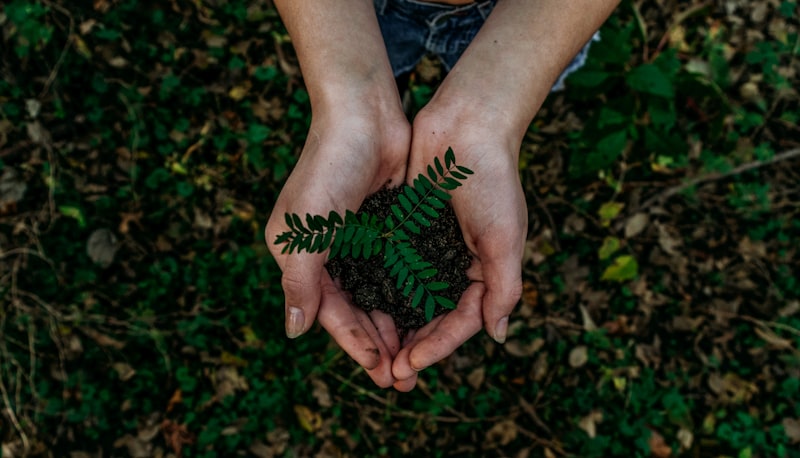
Climate change is a global problem, but the solution starts locally. Learn what a carbon footprint is and actionable steps to reduce yours.
Feb 08, 2026

Is there a mathematical formula for beauty? Explore the Golden Ratio (Phi) and how it appears in everything from hurricanes to the Mona Lisa.
Feb 01, 2026